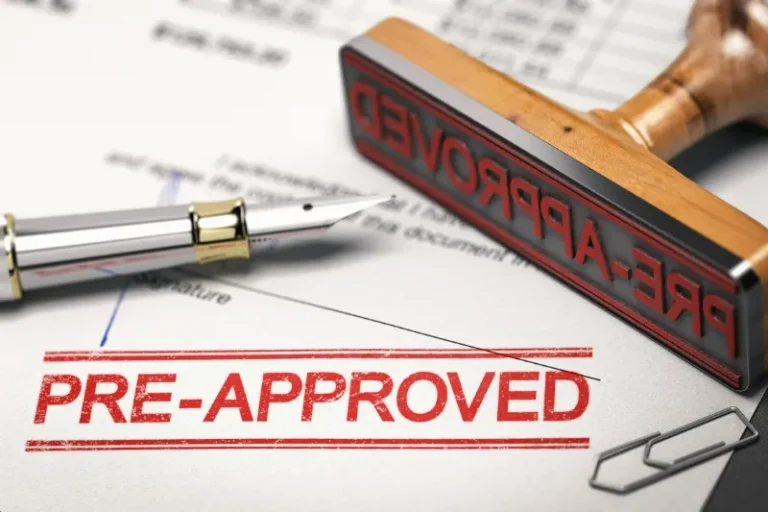



If you are starting your home search as a serious buyer, you need to consider getting pre-approved for a home loan. It requires a bit of work upfront but can streamline the process and make purchasing your home that much easier in the end.
What does it mean to be pre-approved?
Getting pre-approved means that your lender has reviewed your financial documentation to determine your purchasing power. They typically put a cap to the limit that you can borrow but guarantee that you will be approved as long as nothing in your financial situation changes.
You will still need to provide additional documentation and go through the home buying process to get an official approval and clear to close. This can include greater detail about some financial information, such as your identity, income, expenses, assets, and credit history. It also means getting more information about your house to make sure that it meets all of the requirements that your lender or mortgage program has set.
Pre-Qualification vs. Pre-Approval: Key Differences
| Feature | Pre-Qualification | Pre-Approval |
|---|---|---|
| Financial Verification | Self-reported income & assets | Lender-verified documents (W-2s, bank statements) |
| Credit Check | Soft pull (no impact on credit) | Hard credit pull |
| Seller Trust Level | Low (indicates interest only) | High (proves financial capability) |
| Timeframe | 10–15 minutes | 1 to 3 business days |
| Validity | Estimated / Informal | 60 to 90 days |
What do I need to get pre-approved?
Your lender will give you a specific list of documents and information that they need to review and process your pre-approval. These almost always include:
- Proof of identification: Your lender will need to make sure that you are who you say you are. This can be provided through a copy of your driver’s license or other photo ID. You will also need to provide your social security number to run your credit history.
- Employment verification: Just like you have to show your income, you also need to show that you are employed and expect to remain so in the future. If you are self-employed, expect to provide more information and documentation about your work.
- Proof of income: This can be a W-2, tax return, or self-employment income sheet. The specifics will vary by situation but you will need to show that you have the income to support your home’s purchase.
- List of assets: Bank statements show your position going into the loan. Your lender wants to know that you have enough money to cover the down payment as well as adequate cash reserves.
- Credit check: To get a pre-approval letter, your lender will need to get your credit score. This is a required part of the home buying process for all reputable lenders and is best done early in the process to make sure that there aren’t any issues.