Key features of a VA Loan:
- 0% down payment | No PMI: Eligible veterans and active-duty service members can secure a home with 0% down and zero private mortgage insurance (PMI), significantly lowering monthly costs compared to conventional loans.
- Competitive Interest Rates: VA loans typically offer lower interest rates and more lenient credit score requirements.
- Reusable Benefit: VA loan benefits don’t expire after one use, you can re-use your entitlement to purchase a home, refinance an existing mortgage,…
1. Introduction: What is a VA loan?
A VA loan is a powerful mortgage benefit provided by VA-approved mortgage lenders and partially guaranteed by the U.S. Department of Veterans Affairs. This government backing allows eligible veterans, active-duty service members, and surviving spouses to secure a home with more favorable terms than traditional financing.
For many who qualify, it represents the most cost-effective path to homeownership available in today’s market.
Core benefits include:
- Allow low or no down payment, depending on eligibility
- Offer competitive interest rates
- Do not require private mortgage insurance (PMI)
Beyond purchasing, VA loans allow homeowners to refinance their existing mortgage into a lower interest rate or choose a cash-out refinance to fund home renovations and consolidate debt.

VA loans offer low or no down payment, competitive rates, and no PMI for eligible homebuyers.
2. Understanding How VA Loans Work
The process begins by working with a VA-approved mortgage lender to verify your Certificate of Eligibility (COE), which proves you meet the necessary service requirements. While the Department of Veterans Affairs provides a partial guarantee to protect these lenders against loss, the lender is responsible for reviewing your income, credit history, and debt-to-income (DTI) ratio to determine your specific mortgage rate and maximum borrowing limit.
Because the government shares this financial risk, it is often much easier to qualify for a VA loan than a conventional mortgage, even for those with a lower credit score or less-than-perfect credit history.
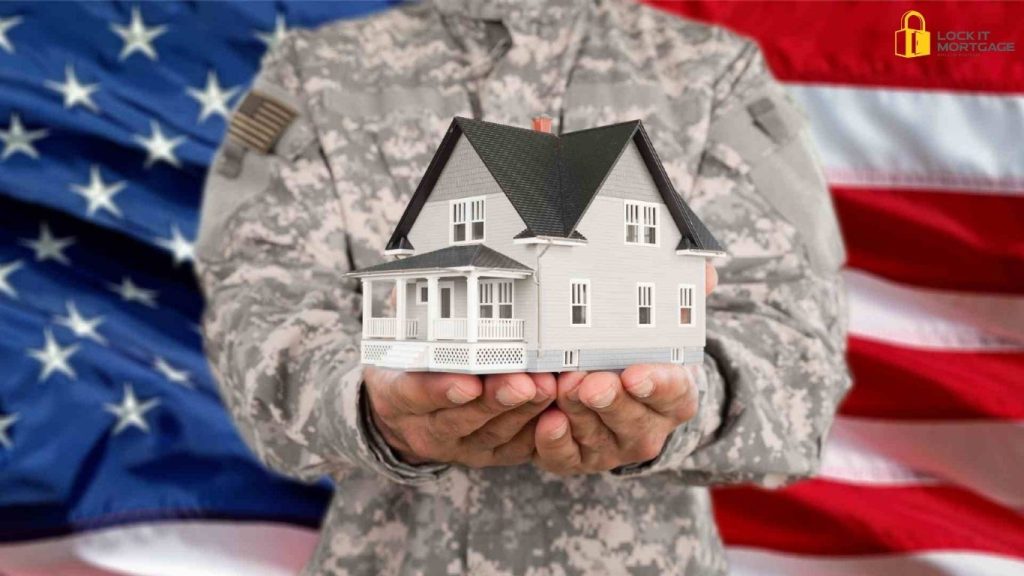
VA loan can help you become homeowners in 2026.
3. Top Benefits of a VA Loan
The VA loans remain one of the most competitive mortgage products on the market, offering significant advantages over conventional and FHA financing. For eligible veterans and service members, the following eight benefits provide a streamlined, cost-effective path to homeownership:
3.1. Zero down payment
The standout feature of the VA loan is the ability to purchase a home with as low as $0 down. While conventional loans often require between 5% and 20% upfront, the VA program allows eligible borrowers to finance up to 100% of the home’s purchase price.
3.2. No Private mortgage insurance (PMI)
Most conventional and FHA loans require a monthly insurance fee known as Private Mortgage Insurance (PMI) or a Mortgage Insurance Premium (MIP) if you put less than 20% down. These fees protect the lender in case of default but increase your monthly mortgage payment.
In contrast, VA loans do not require any monthly mortgage insurance regardless of your down payment amount. This unique exemption makes a VA-backed mortgage significantly more affordable, especially for first-time home buyers.
3.3. Lower Average Interest Rates
VA loans consistently offer some of the lowest interest rates on the market because of the federal guarantee. While conventional and FHA rates fluctuate based on private market risk, VA loan rates remain aggressive to support the military community. This lower rate combined with the lack of monthly mortgage insurance gives VA borrowers significantly more purchasing power than other home buyers.
3.4. Flexible Eligibility Requirements
Like any mortgage, VA loans require proper documentation, a stable income, and a reasonable credit history to ensure you can manage your monthly payments. However, compared to conventional or FHA programs, VA loan requirements are generally more lenient. This increased flexibility is made possible by the VA loan guarantee, which reduces risk for lenders and helps more veterans qualify for a home.

Benefits of a VA loan with flexible eligibility terms.
3.5. Reduced closing costs
The VA sets limits on the fees lenders can charge to VA loan applicants, helping them lower overall financing expenses. As a result, VA mortgages are often more affordable and cost-effective than any other loan types.
3.6. No prepayment penalty
VA Borrowers can pay off their mortgage early without penalty, which can save them money on interest over the life of the loan.
3.7. The Power Of Assumable VA Loans
Most VA loans are assumable, meaning you can transfer your existing mortgage and its interest rate to a future buyer if they are also VA-eligible. This feature becomes a massive selling point in a rising interest rate environment.
If market rates climb in the future, a buyer can take over your lower rate rather than financing at current market prices. This unique VA loan benefit can make your home much more attractive to buyers and potentially help you sell faster at a higher price.
4. 2026 VA Home Loan Requirements and Eligibility
You must meet the official VA loan requirements set by the Department of Veterans Affairs in order to be eligible for the VA programs. Service requirements for a VA loan vary based on your branch and dates of service. Additionally, the VA loan program extends eligibility to many surviving spouses, ensuring that military families can access these earned homeownership benefits.
4.1. Military service requirements
You are typically eligible for a VA loan if you meet one of the following service requirements:
- Active Duty (Peacetime): At least 181 days of continuous service during peacetime.
- Active Duty (Wartime): At least 90 consecutive days of service during wartime.
- National Guard & Reserves: You have served at least 6 years in the Reserves or National Guard.
- Surviving Spouses: You are the unremarried surviving spouse of a service member who died in the line of duty.

Borrowers must meet service requirements set by the Department of Veterans Affairs.
4.2. VA loan benefits for surviving spouses
If a service member passes away, the VA loan benefits may transfer to their unremarried spouse. A surviving spouse may qualify for the VA loan program if the service member met one of the following criteria:
- Passed away while on active duty or due to a service-connected injury.
- Was captured as a prisoner of war or declared missing in action for at least 90 consecutive days.
- Received a 100% disability rating for at least 10 years prior to their death, regardless of the cause.
4.3. Remarriage and Entitlement Rules
Spouses who remarried on or after December 16, 2003, and were at least 57 years old at the time, also maintain VA loan eligibility. In these instances, the surviving spouse retains full VA loan entitlement. This allows for a no down payment home purchase with the same competitive interest rates and favorable terms offered to veterans.
5. Types of VA Home Loans in 2026
The VA loan program offers several flexible options designed to help you buy, build, or refinance a home with terms tailored to your specific financial goals:
- VA Purchase Loan: Enables eligible homebuyers to purchase a primary home with no down payment.
- VA Cash-Out Refinance: Allows homeowners to access their home equity by refinancing and pulling cash out for home improvements, debt consolidation, or other large expenses.
- VA streamline refinance: This specific refinance option requires minimal documentation, usually does not require a new appraisal, and is designed to be the fastest way for veterans to lower their monthly mortgage payments.
- VA Renovation Loan: Makes it possible to purchase and renovate a home in one loan.
- Native American Direct Loan (NADL program): Creates an opportunity for Native American veterans to purchase, build, or improve homes on federal trust land.
With flexible options and valuable benefits, VA loans make it easier for eligible military borrowers to buy, refinance, or upgrade a home while significantly saving on costs.
VA loans in 2026 offer flexible options for buying, refinancing, or renovating a home.
6. Step-by-Step VA Home Loan Process
A structured approach is essential for a successful home purchase. Lock It Mortgage guides you through every stage of the VA-backed mortgage process, ensuring a smooth transition from your initial application to the closing table.
Step 1: Request your Certificate of Eligibility (COE)
Verify your VA loan eligibility by requesting your COE. This can be obtained directly through the VA’s online portal, or through a VA-approved lender.
Step 2: Get Pre-Approved for Your VA Loan
Determine your budget and narrow your home search by securing a VA pre-approval with us, which strengthens your negotiating position when submitting an offer.
Step 3: Shop for Your Dream Home
Partner with a real estate agent to find a home that fits your lifestyle and budget. While you shop, we’ll coordinate with your agent to ensure the property meets VA financing and safety standards.
Step 4: Secure Your Contract and Launch Your Loan
Once your offer is accepted, we’ll order the VA appraisal to verify the property’s value and condition. We’ll also work with you to collect any additional information/ documentation needed to satisfy underwriting conditions for final loan approval.
The VA loan process guides you from eligibility to final approval in a few key steps.
Step 5: Receive Your Clear to Close (CTC)
Once all loan conditions are cleared, we’ll coordinate with the title company to finalize your figures and schedule your signing. We’ll review the final numbers with you prior to the signing date so you have total confidence in what you’re signing.
Step 6: Close your VA loan
You’ll sign your final closing documentation and officially become a homeowner.
The VA loan is one of the best home loan options for veterans, active duty members and military families. With no down payment, competitive rates, and no mortgage insurance (PMI) required, this program allows you to make home purchases or refinances more affordable than any traditional home loan products.
Understanding VA loan eligibility, requirements, and the application process is essential to maximizing your VA loan benefits. Working with an experienced mortgage broker can help streamline the process and ensure a smooth closing. Understanding your eligibility, costs, and loan options is key to getting the most out of your benefits. Ready to see your real numbers? Let Lock It Mortgage help you estimate your VA loan costs and find the right option for your situation.